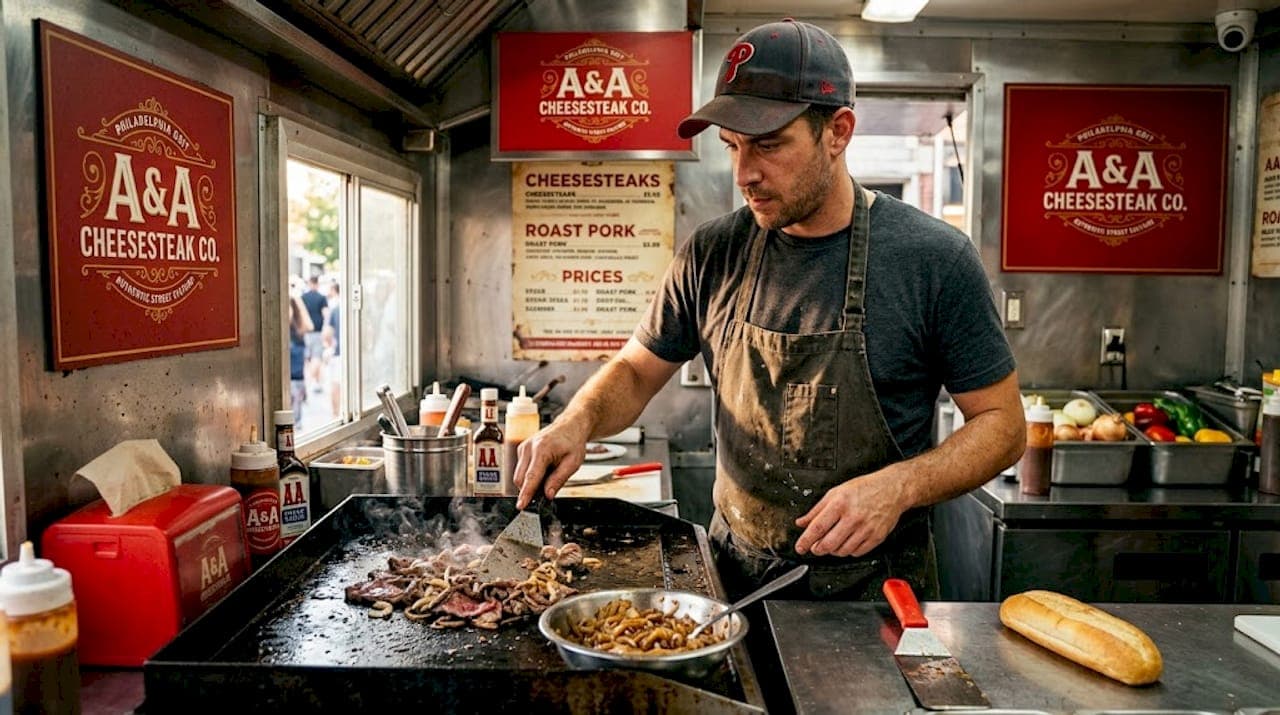
Most people think a cheesesteak is just meat and cheese on a roll. That's the floor, not the ceiling. If you're serious about how to build a gourmet cheesesteak toppings list that actually delivers something memorable, the difference between a forgettable sandwich and one people talk about comes down to what you layer, how you cook it, and whether those toppings work together or fight each other. This guide gives you the exact framework to choose, prepare, and combine premium toppings like a pro.
Table of Contents
- Key takeaways
- Gourmet cheesesteak toppings list: the foundation
- How to build and layer your toppings step by step
- Creative and premium topping combinations to try
- Common mistakes that ruin gourmet cheesesteaks
- What to expect from your finished gourmet cheesesteak
- My honest take on building the perfect topping list
- Taste the real thing at Aacheesesteaks
- FAQ
Key takeaways
| Point | Details |
|---|---|
| Start with quality meat | Partially frozen ribeye slices thin and uniform, giving you the right texture for every bite. |
| Balance beats abundance | More toppings don't mean better flavor. Harmony between cheese, meat, and add-ons defines a great cheesesteak. |
| Roast your peppers | Roasting long hot peppers mellows heat and adds depth that frying or raw prep simply cannot match. |
| Toast the roll | A firm, golden crust on your roll keeps the bread from going soggy under juicy toppings. |
| Layer with intention | Add toppings in the right sequence so flavors meld without overwhelming the beef. |
Gourmet cheesesteak toppings list: the foundation
Before you start building creative combinations, you need the right raw materials. A gourmet cheesesteak ingredient upgrades list starts with understanding the difference between what most people use and what actually makes a sandwich worth remembering.
Here's a side-by-side comparison of standard versus premium ingredients:
| Standard ingredient | Gourmet upgrade |
|---|---|
| Frozen pre-sliced beef | Fresh ribeye, thinly sliced |
| American cheese slices | Cooper Sharp, provolone, or cheddar-style sauce |
| Canned mushrooms | Fresh cremini or shiitake, sautéed in butter |
| Jarred banana peppers | Roasted long hot Italian peppers |
| Plain mayo | Sriracha aioli or garlic herb spread |
| White hoagie roll | Amoroso-style or artisan seeded roll |
The cheese choice alone changes the entire character of the sandwich. Classic Cheese Whiz provides that iconic gooey coverage authentic Philly fans love, while Cooper Sharp brings a sharper, creamier melt that pairs beautifully with roasted vegetables and specialty sauces.
Beyond cheese, your gourmet add-ons list should include:
- Sautéed spinach or arugula for a peppery contrast
- Plum tomatoes, sliced thin and lightly salted
- Crispy bacon strips for smoky crunch
- Pickled jalapeños for bright acidity and heat
- Caramelized onions cooked low and slow until sweet
- Truffle oil drizzled just before serving
Pro Tip: Buy your ribeye in a whole piece and slice it yourself. Place it in the freezer for about 30 minutes before cutting. Partially frozen ribeye slices into paper-thin, uniform pieces far more easily than room-temperature beef, and that thin cut is what gives you the right chew and cook.
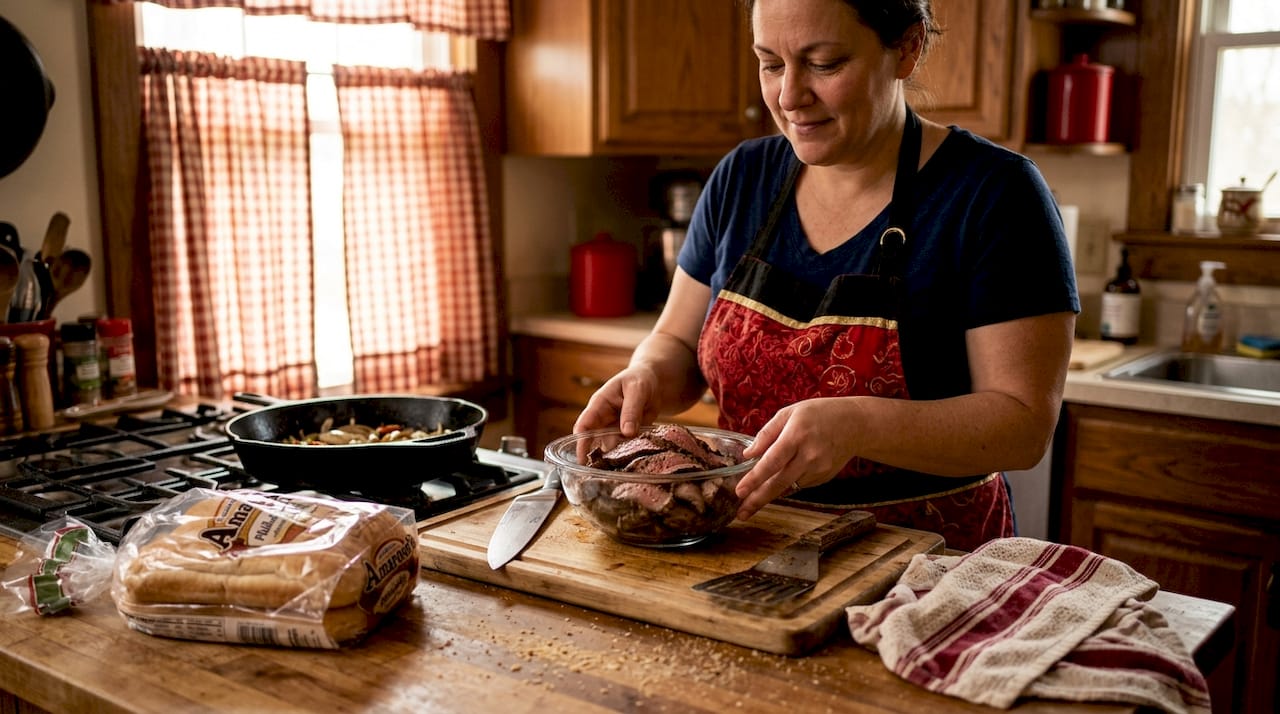
For tools, you need a sharp slicing knife, a cast iron skillet or flat griddle, a wide spatula for chopping and folding the meat, and a bread knife for clean roll cuts. A small saucepan for warming cheese sauce rounds out the setup.
How to build and layer your toppings step by step
Knowing your ingredients is half the battle. Knowing the order and technique for assembling them is what separates a good cheesesteak from a great one. Here's how to approach the build:
-
Slice your ribeye thin. Freeze the steak for 30 minutes, then slice against the grain as thin as you can manage. Thicker cuts won't cook evenly and won't fold into the bread the way they should.
-
Caramelize your onions first. These take the longest. Cook sliced onions in butter over low heat for 20 to 25 minutes, stirring occasionally. Rushing this step gives you soft onions, not sweet caramelized ones.
-
Roast your peppers. Roasting Italian long hot peppers mellows their heat and develops a smoky sweetness that raw or fried peppers never achieve. Coat them lightly in oil, roast at 425°F until charred in spots, then peel and slice.
-
Sauté your mushrooms separately. Cook mushrooms in a hot, dry pan first to drive off moisture before adding butter. Wet mushrooms steam instead of brown, and that kills the flavor.
-
Cook the ribeye on high heat. A screaming hot griddle or cast iron is non-negotiable. Spread the sliced beef in a thin layer, let it sear for 60 seconds without touching it, then chop and fold with your spatula. Season with salt and pepper.
-
Melt your cheese directly on the meat. Lay slices over the chopped beef and let residual heat do the work. For a cheese sauce, warm it separately and pour over just before assembly. To avoid a grainy texture, mix room-temperature cream cheese with shredded provolone at least 30 minutes before heating.
-
Toast your roll. Cut side down on the griddle for 60 to 90 seconds until golden. This step is not optional if you're adding juicy toppings.
-
Layer from the bottom up. Spread your aioli or sauce on the toasted bread first. Add the meat and cheese mixture, then pile on your toppings in order from heaviest to lightest: caramelized onions, roasted peppers, mushrooms, then fresh items like tomatoes or greens on top.
Pro Tip: Don't add fresh greens or tomatoes while the sandwich is still hot. Let the meat rest for 60 seconds in the roll before adding cold or room-temperature toppings. This keeps the bread from steaming and going limp.
Creative and premium topping combinations to try
This is where the top upscale cheesesteak toppings list gets genuinely exciting. Gourmet cheesesteaks now range from $15 to $30 at specialty shops, with luxury additions like lobster, truffles, and double meat portions pushing the format into fine-dining territory.
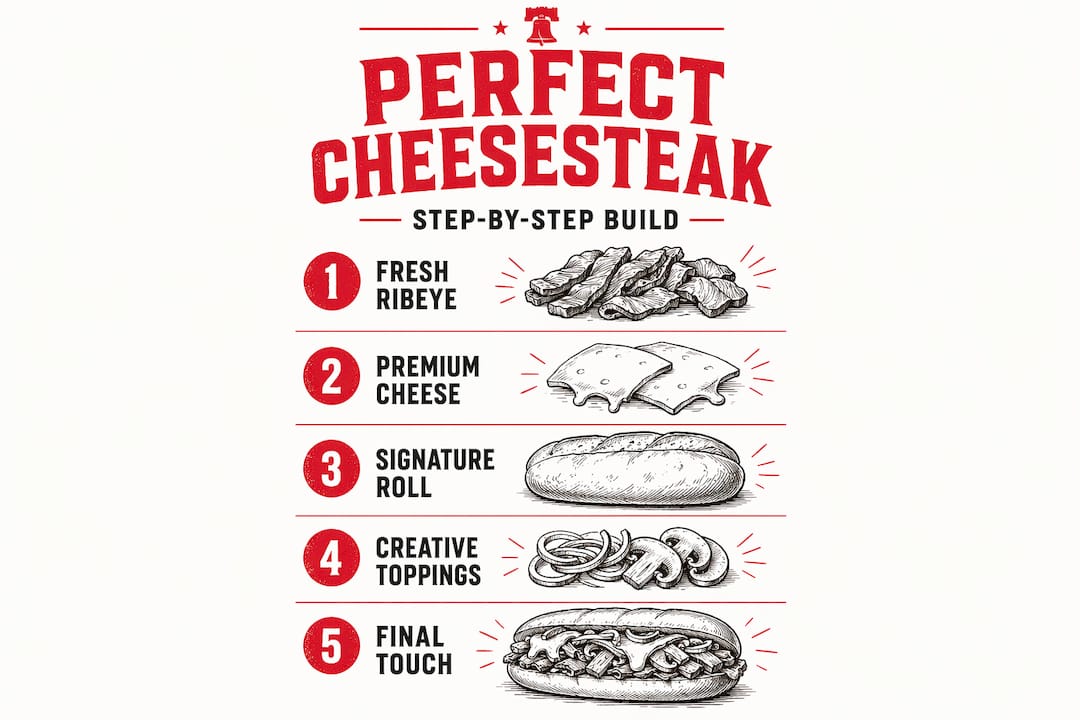
You don't need to spend that much at home to get the same effect. Here's a comparison of classic versus premium topping combinations:
| Classic combination | Gourmet upgrade version |
|---|---|
| Whiz, onions, peppers | Cooper Sharp, caramelized onions, roasted long hots |
| Provolone, mushrooms | Truffle oil, sautéed shiitake, fresh thyme |
| American cheese, ketchup | Cheddar sauce, Sriracha aioli, pickled jalapeños |
| Plain provolone, peppers | Smoked provolone, bacon, roasted garlic spread |
| Whiz, onions | Whiz, caramelized onions, sautéed spinach, plum tomato |
Some of the most effective premium cheesesteak topping combinations play with contrast. Spicy Sriracha aioli against sweet caramelized onions. Tangy pickled jalapeños against rich, fatty ribeye. Earthy truffle oil against sharp provolone.
A few specific builds worth trying at home:
- The Smoky Classic: Smoked provolone, crispy bacon, roasted long hots, caramelized onions, garlic aioli
- The Spicy Umami: Cooper Sharp sauce, sautéed shiitake mushrooms, pickled jalapeños, Sriracha drizzle
- The Garden Gourmet: Provolone, sautéed spinach, plum tomatoes, roasted red peppers, herb spread
- The Luxury Build: Whiz base, thin-sliced ribeye double portion, truffle oil, caramelized onions, fresh arugula
Pro Tip: When you add truffle oil, use less than you think you need. A few drops over the finished sandwich is enough. Too much truffle oil overwhelms everything else and makes the sandwich taste like perfume instead of food.
The trend toward customizable "Make it Yours" menus at specialty cheesesteak spots reflects exactly this thinking. Giving diners control over their topping combinations creates a more personal, satisfying experience.
Common mistakes that ruin gourmet cheesesteaks
Even with premium ingredients, a few missteps can undo all your work. Achieving balance between bread, cheese, meat, and toppings is the hardest part of building a great cheesesteak, and most mistakes come from ignoring that balance in favor of just piling on more.
Watch out for these specific pitfalls:
- Overloading the roll. More than four or five toppings and you lose the beef as the star. Every addition should support the meat, not compete with it.
- Skipping the toast. Soft rolls collapse under juicy toppings within minutes. Toasted rolls with a firm crust are the structural backbone of a well-built cheesesteak.
- Adding too many wet ingredients. Plum tomatoes, pickled peppers, and sauces all add moisture. Use one wet topping per build and keep others drier.
- Rushing the caramelized onions. Onions cooked for only 10 minutes taste sharp and slightly raw. Give them the full 20 to 25 minutes.
- Overheating the cheese sauce. High heat causes cheese to break and turn grainy. Warm it gently and stir constantly.
Pro Tip: If you're making multiple sandwiches, keep the hot filling separate from the toasted rolls until the moment of serving. Professional kitchens separate the filling during transport for exactly this reason. Even five minutes of steam turns a great roll into a soggy mess.
A gourmet cheesesteak is not about how much you add. It's about how well everything works together.
What to expect from your finished gourmet cheesesteak
When you get the build right, the result is unmistakable. The beef is tender and savory, the cheese coats every bite without pooling at the bottom, and each topping adds a distinct note without shouting over the others.
For presentation, a few simple touches make the difference:
- Serve on a sheet of butcher paper or a wooden board for a street-food aesthetic
- Leave a small portion of the toppings visible at the open end of the roll so the colors show
- Add a light drizzle of your sauce over the top just before serving
- Pair with a simple side like salt and vinegar chips, a dill pickle spear, or a light coleslaw
For beverages, a cold lager, a dry ginger beer, or even a sharp lemonade all cut through the richness of the beef and cheese without competing with the sandwich's flavor. Avoid anything too sweet, which dulls the savory complexity you worked to build.
The goal is a sandwich that tastes intentional. Every bite should deliver the same balance of flavors, not a random mix depending on where you happen to bite.
My honest take on building the perfect topping list
I've made a lot of cheesesteaks, and the biggest lesson I keep relearning is that restraint is harder than creativity. It's genuinely fun to build a gourmet cheesesteak toppings list with exciting ingredients. Truffle oil, lobster, specialty cheeses. But the sandwiches I remember most weren't the ones with the most toppings. They were the ones where every single element was exactly right.
The combination of caramelized onions, roasted long hots, and smoked provolone on properly sliced ribeye is more satisfying than a sandwich buried under six premium ingredients that don't talk to each other. I've learned to treat each topping as a decision, not a default. Ask whether it adds something the sandwich doesn't already have, whether it's a new texture, a contrasting flavor, or a hit of acidity.
What I find most interesting about the evolution of cheesesteak culture is that it's moving toward personalization without losing the core identity of the sandwich. The beef and cheese are still the point. Everything else is context. When you approach your build with that mindset, you stop overthinking it and start making sandwiches that are genuinely worth eating twice.
— Adam
Taste the real thing at Aacheesesteaks
If you want to see how a genuinely authentic cheesesteak is built before you recreate it at home, Aacheesesteaks in Ogden, Utah is the reference point worth knowing. Every sandwich starts with thinly sliced ribeye cooked in beef tallow, provolone cheese, and a commitment to Philly preparation methods that most places in the region simply don't bother with.
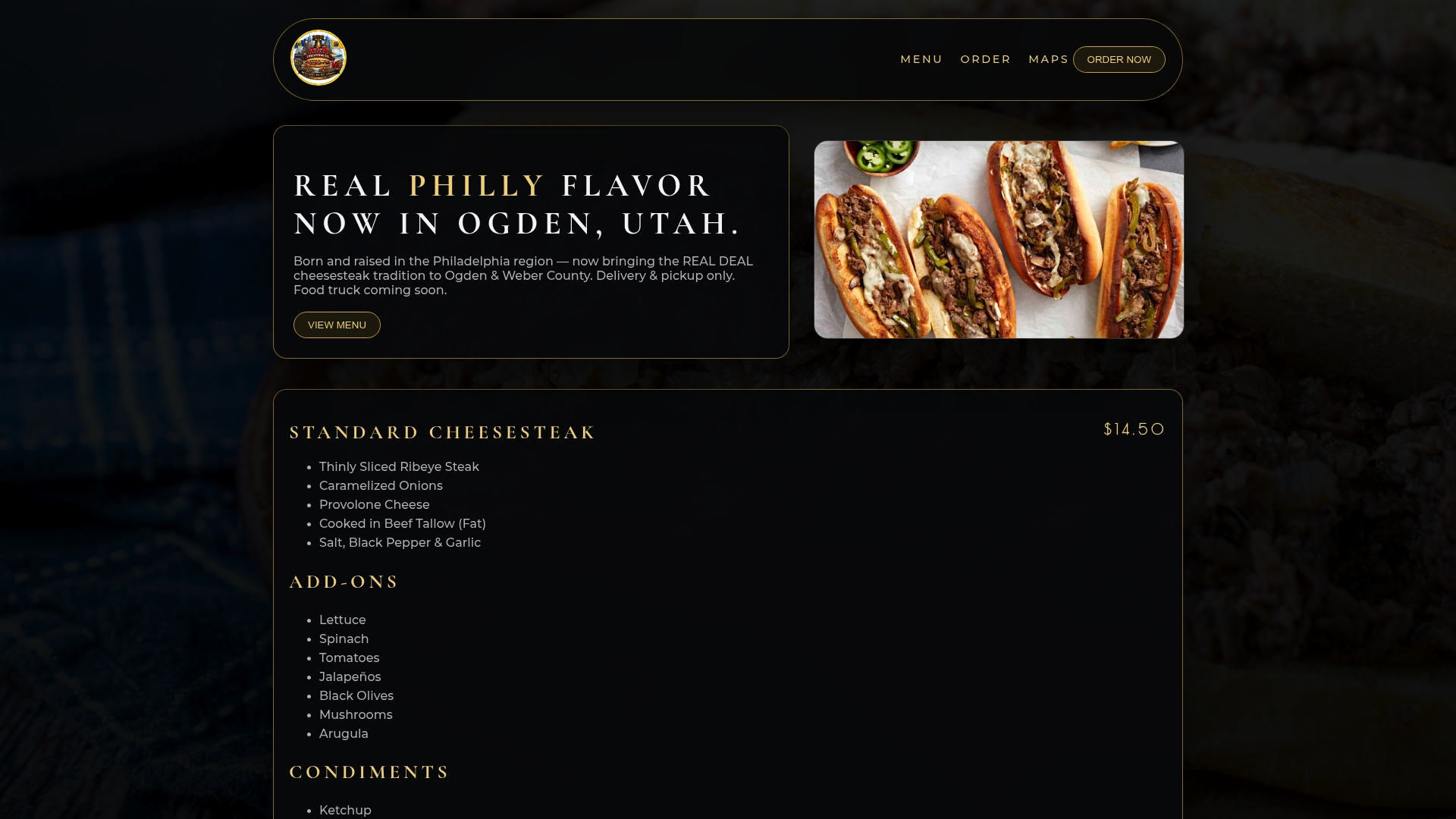
The menu includes customizable options, specialty builds like Italian and hoagie styles, and the kind of gourmet add-ons that give you real inspiration for your own kitchen experiments. Whether you're picking up or ordering delivery, Aacheesesteaks gives you a direct taste of what a well-built, premium cheesesteak actually feels like. Use it as your benchmark.
FAQ
What makes a cheesesteak gourmet vs. fast food?
A gourmet cheesesteak uses fresh, high-quality ingredients like ribeye sliced to order, specialty cheeses, and house-made sauces, while fast food versions rely on pre-processed meat and standard toppings. The cooking method and ingredient sourcing are what separate the two.
What are the best cheeses for a gourmet cheesesteak?
Cooper Sharp, smoked provolone, and cheddar-style sauce are top choices for gourmet builds. Cheese Whiz remains the authentic Philly standard and works well as a base layer even in upscale combinations.
How do I keep my cheesesteak roll from getting soggy?
Toast the roll cut-side down on a hot griddle until golden, and keep the hot filling separate until just before serving. Toasted rolls with a firm crust hold up significantly better under juicy toppings.
How many toppings should a gourmet cheesesteak have?
Three to five toppings is the sweet spot. More than that and the beef flavor gets buried. Each topping should add something distinct, whether that's heat, sweetness, acidity, or crunch.
What is the best way to slice ribeye for cheesesteak?
Freeze the ribeye for about 30 minutes before slicing. Partially frozen ribeye cuts into thin, uniform slices much more easily than fresh beef, which is the key to getting the right texture when it hits the griddle.